


Water: the absolute necessity
Stocking water reserves should be a top priority. Drinking water in emergency situations should not be rationed. Therefore, it is critical to store adequate amounts of water for your household.
Individual needs vary, depending on age, physical condition, activity, diet, and climate. A normally active person needs at least two quarts of water daily just for drinking. Children, nursing mothers, and ill people need more. Very hot temperatures can double the amount of water needed.
Because you will also need water for sanitary purposes and, possibly, for cooking, you should store at least one gallon of water per person per day.
Store water in thoroughly washed plastic, fiberglass or enamel-
Containers for water should be rinsed with a diluted bleach solution (one part bleach to ten parts water) before use. Previously used bottles or other containers may be contaminated with microbes or chemicals. Do not rely on untested devices for decontaminating water.
If your water is treated commercially by a water utility, you do not need to treat water before storing it. Additional treatments of treated public water will not increase storage life.
If you have a well or public water that has not been treated, follow the treatment instructions provided by your public health service or water provider.
If you suspect that your well may be contaminated, contact your local or state health department or agriculture extension agent for specific advice.
For water purification for immediate or near term use, please read the shelter chapter of this guide.
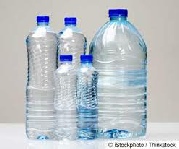
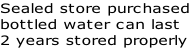
Remember it is important to change stored water every six months. Bottled water will last 2 years or more stored in a cool dark location.